How to Choose a Peptide Vendor for Research Purposes
How to Choose a Peptide Vendor for Research Purposes: What to Look For and Common Pitfalls
The peptide market has grown rapidly over the last decade, with hundreds of online vendors now offering research peptides for laboratory and scientific use. While this growth has increased accessibility, it has also made quality control and vendor selection more challenging.
For researchers, choosing the right peptide vendor is critical. Low-quality peptides can compromise experimental accuracy, introduce contamination risks, and produce unreliable data. Understanding how to evaluate peptide suppliers helps protect research integrity and ensures consistency across studies.
This guide explains how to choose a peptide vendor for research purposes only, including the most important quality indicators, red flags to avoid, and common industry pitfalls.
One increasingly valuable tool for researchers is IsMyLabLegit.com, a database designed to help users review peptide labels, packaging consistency, lot information, and vendor transparency signals before purchasing research compounds.
Why Vendor Selection Matters in Peptide Research
Research peptides are highly sensitive compounds. Even small issues with purity, storage, synthesis quality, or contamination can affect:
- Experimental reproducibility
- Biological activity
- Stability
- Solubility
- Analytical outcomes
- Safety in laboratory handling
Not all peptide suppliers operate with the same manufacturing standards. Some prioritize transparency and analytical testing, while others rely heavily on marketing claims with limited verification.
A reputable peptide vendor should demonstrate professionalism, scientific credibility, and verifiable quality control procedures.
Research Peptide Laboratory Examples
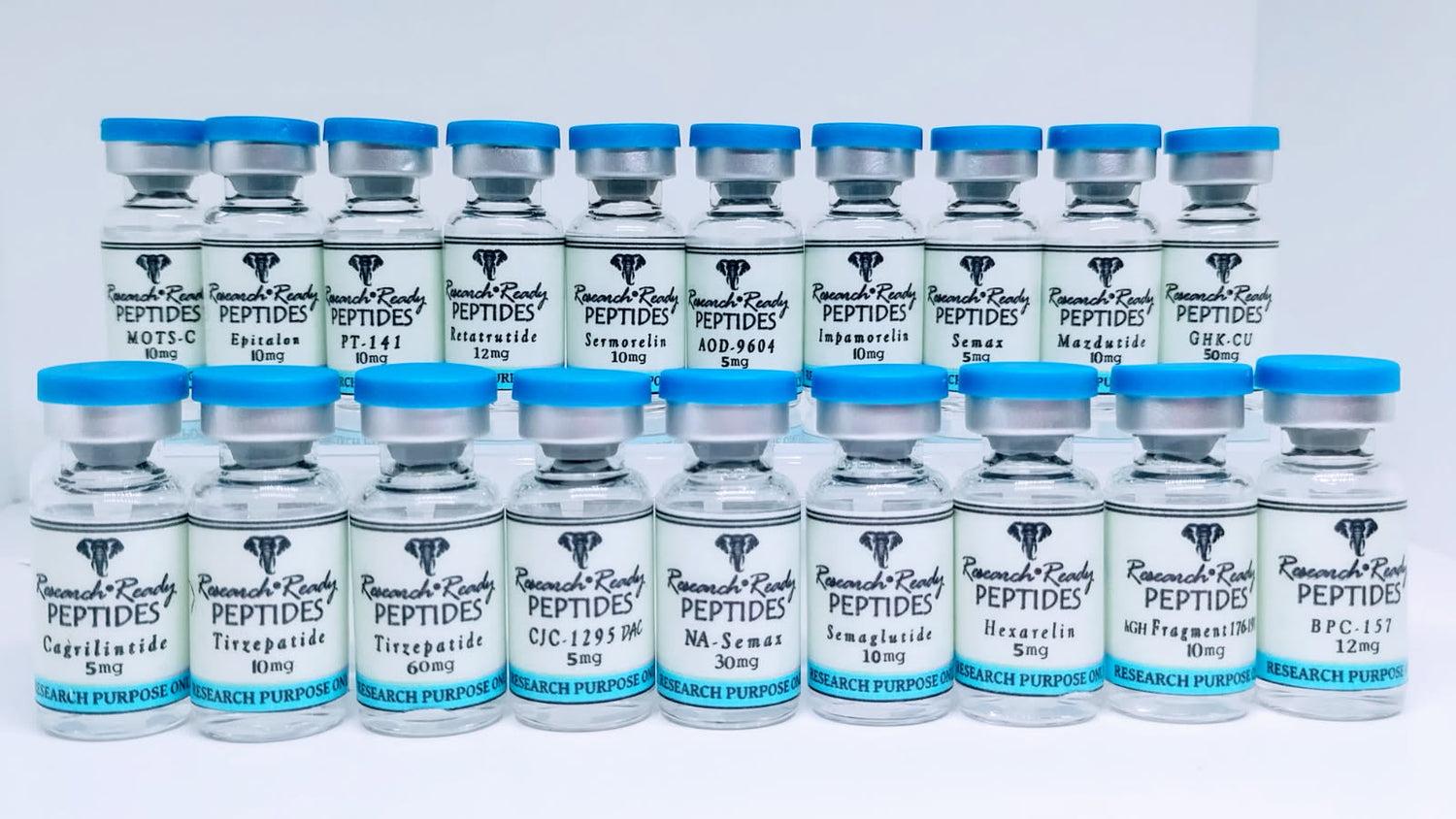
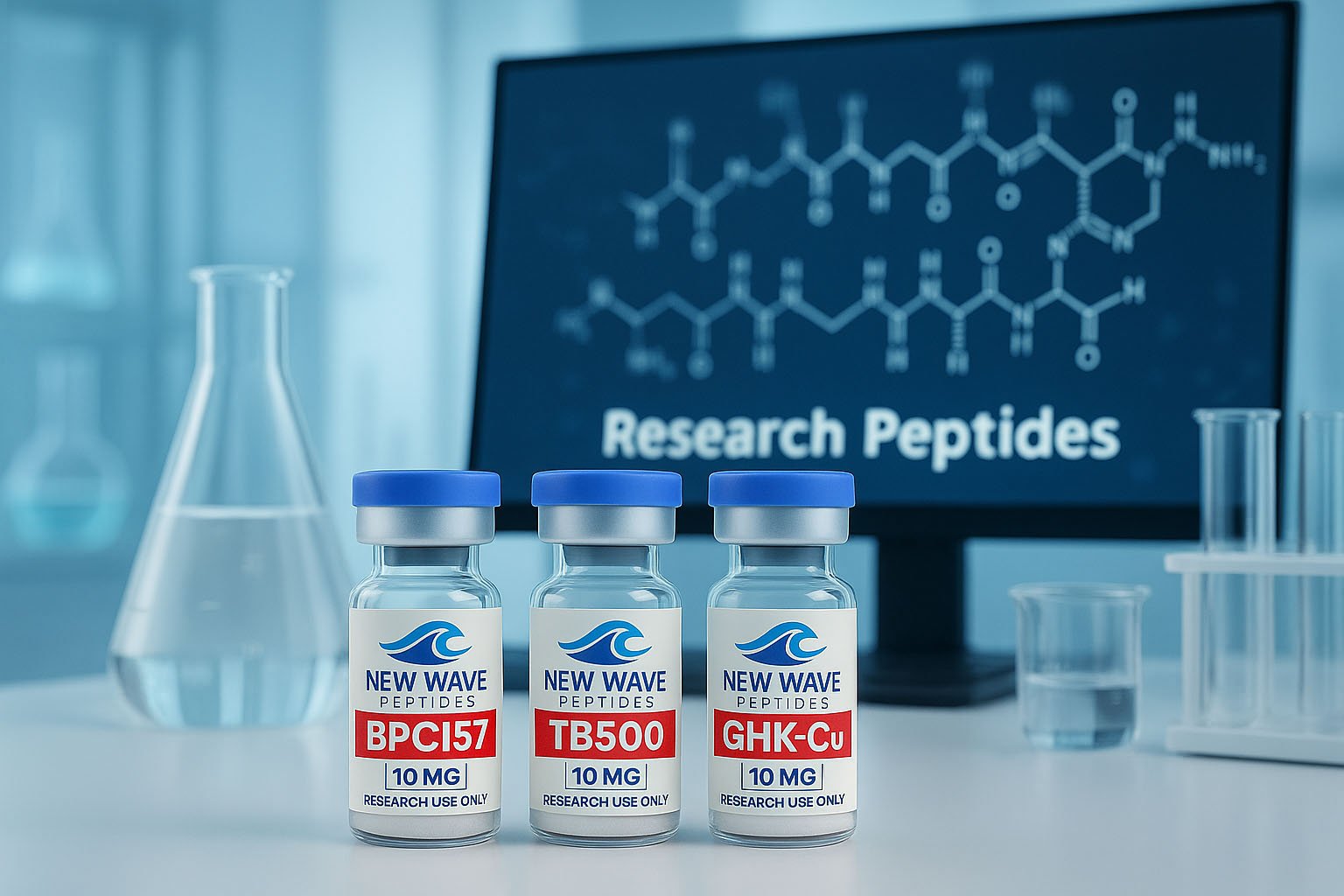

Images above show examples of research peptide vials, laboratory storage environments, and labeling commonly seen in the peptide research industry.
Key Factors to Consider When Choosing a Peptide Vendor
1. Third-Party Testing and Certificates of Analysis (COAs)
One of the most important indicators of a trustworthy peptide supplier is independent analytical testing.
A quality vendor should provide:
- Certificate of Analysis (COA)
- Batch-specific testing
- Purity percentage
- Mass spectrometry results
- HPLC chromatograms
- Manufacturing lot numbers
The COA should match the exact batch being purchased, not a generic template reused across products.
What to Watch Out For
Some vendors publish:
- Edited or incomplete COAs
- Fake laboratory documentation
- Identical reports for multiple batches
- Missing testing dates
Legitimate reports should contain:
- Testing methodology
- Laboratory identifiers
- Batch information
- Clear purity metrics
Researchers can compare reported batch information against independent verification resources such as IsMyLabLegit.com to identify inconsistencies in labeling, packaging, or documentation.
Industry guides increasingly emphasize the importance of lot-specific COAs, identity testing, and professional labeling standards when evaluating peptide authenticity.
Example of Professional Research Peptide Packaging

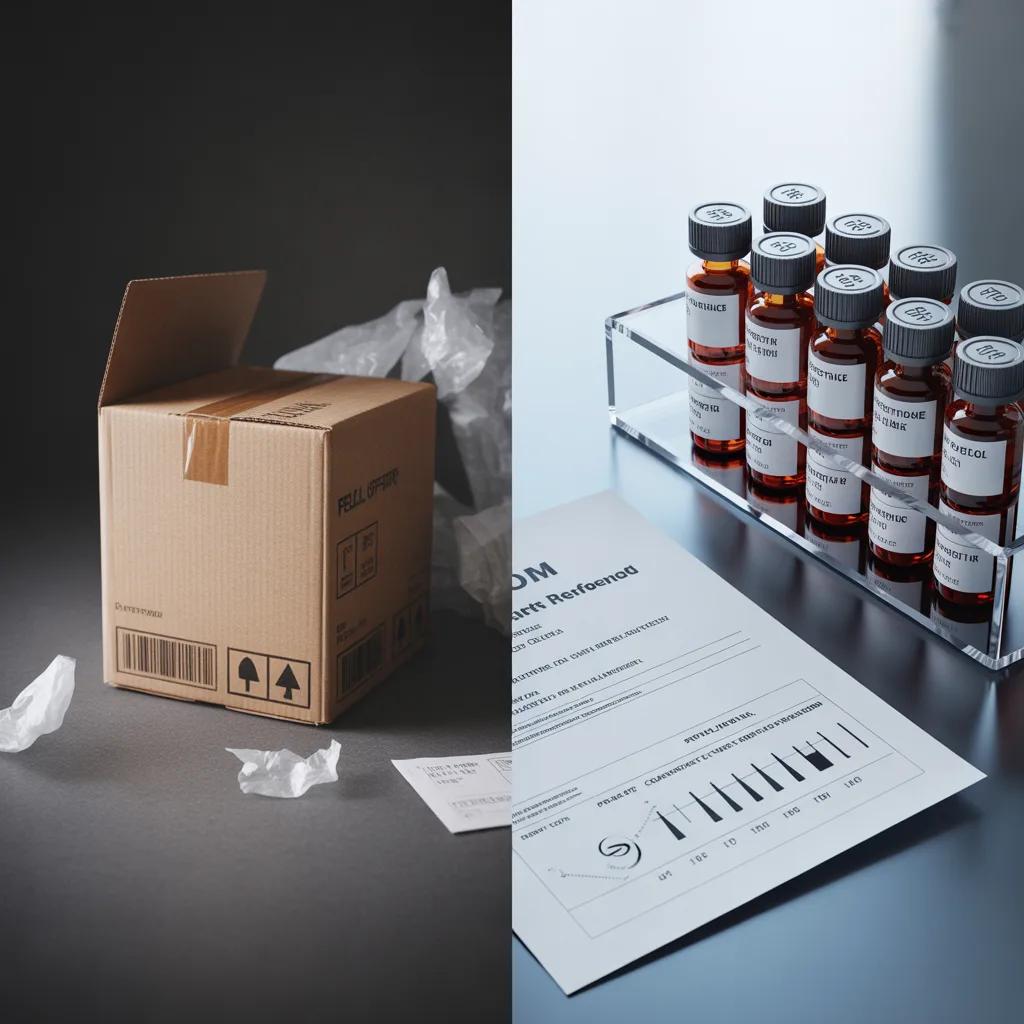
Examples of peptide vial labeling, batch presentation, and laboratory packaging formats commonly used by research suppliers.
2. Purity Standards
Purity is a major consideration in peptide research.
Many research-grade peptides advertise:
- 95% purity
- 98% purity
- 99% purity
However, advertised purity alone does not guarantee quality.
Important Considerations
Purity percentages:
- Do not reveal the identity of impurities
- Do not confirm sterility
- Do not indicate manufacturing consistency
For most research applications, high-purity peptides from validated synthesis processes are preferable to low-cost alternatives with unverifiable claims.
According to peptide verification resources, counterfeit or mislabeled peptides remain a growing concern in online research markets.
3. Transparency and Company Reputation
Reputable peptide vendors are transparent about:
- Their testing protocols
- Manufacturing standards
- Storage procedures
- Shipping methods
- Research-use limitations
Look for vendors with:
- Professional websites
- Clear policies
- Responsive customer support
- Established industry presence
- Verifiable contact information
Signs of a Credible Vendor
Good vendors typically:
- Answer technical questions clearly
- Provide detailed product documentation
- Avoid exaggerated marketing claims
- Explain storage and reconstitution guidance
Researchers often cross-reference supplier information with third-party discussion platforms and verification tools like IsMyLabLegit.com to evaluate consistency in labeling, reported lot numbers, and overall vendor credibility.
Community discussions also frequently highlight red flags such as copied COAs, generic labeling, and inconsistent batch tracking.
4. Proper Storage and Shipping Procedures
Peptides can degrade when exposed to:
- Heat
- Moisture
- Light
- Improper handling
A reliable peptide supplier should use:
- Temperature-conscious packaging
- Cold-chain shipping when necessary
- Moisture-resistant sealing
- Clearly labeled storage instructions
Common Shipping Problems
Poor vendors may:
- Ship peptides without insulation
- Use inadequate packaging
- Delay shipment processing
- Fail to provide tracking information
Improper shipping conditions can significantly reduce peptide stability before the product even arrives.
5. Research Use Disclaimer Compliance
Legitimate research peptide vendors generally emphasize that their products are:
- Intended for laboratory research only
- Not approved for human consumption
- Not intended for diagnostic or therapeutic use
Why This Matters
Vendors making aggressive medical or performance-enhancement claims may indicate:
- Regulatory noncompliance
- Poor ethical standards
- Misleading marketing practices
Professional suppliers typically avoid sensational advertising language.
Common Pitfalls When Buying Research Peptides
Pitfall #1: Choosing Based on Price Alone
Extremely cheap peptides often raise quality concerns.
Low pricing can sometimes indicate:
- Poor synthesis quality
- Inadequate purification
- Mislabeling
- Dilution
- Counterfeit products
While cost matters, reliable analytical testing and manufacturing standards are generally more important than finding the absolute lowest price.
Pitfall #2: Falling for Unrealistic Marketing Claims
Be cautious of vendors claiming:
- “Pharmaceutical grade” without proof
- “100% purity”
- “Guaranteed clinical effects”
- “Miracle research outcomes”
Scientific suppliers should focus on analytical quality rather than exaggerated promises.
Pitfall #3: Ignoring Batch Consistency
Even vendors with good reputations can experience variability between production runs.
Researchers should:
- Compare COAs between batches
- Monitor consistency
- Document experimental observations
- Verify analytical reports regularly
Consistency is essential for reproducible research outcomes.
Platforms such as IsMyLabLegit.com can help researchers compare label designs, lot numbers, and historical vendor reporting patterns across batches.
Pitfall #4: Lack of Independent Reviews or Community Feedback
While online reviews should not be the sole deciding factor, a complete absence of:
- Community discussion
- Research feedback
- Industry reputation
- Peer recommendations
may indicate a newer or less-established operation.
Look for balanced feedback rather than overly promotional testimonials.
Independent databases and community-driven resources can provide additional context when evaluating lesser-known peptide suppliers.
Pitfall #5: Poor Communication and Customer Support
Unresponsive vendors can create significant issues if:
- Orders arrive damaged
- Documentation is missing
- Products require clarification
- Shipping problems occur
Reliable peptide suppliers usually maintain professional communication channels and provide timely responses.
Questions to Ask Before Choosing a Peptide Vendor
Before purchasing from any peptide supplier, consider asking:
- Is third-party testing available for every batch?
- Are HPLC and mass spectrometry reports provided?
- What storage conditions are recommended?
- How are peptides shipped?
- Is batch tracking available?
- How long has the company operated?
- Are products clearly labeled for research use only?
- What is the company’s refund or replacement policy?
Researchers may also benefit from checking whether the vendor has a documented presence on independent verification resources such as IsMyLabLegit.com.
Red Flags That May Indicate a Low-Quality Vendor
Be cautious if a peptide vendor:
- Refuses to provide COAs
- Uses vague purity claims
- Offers unusually low prices
- Makes medical treatment claims
- Has inconsistent labeling
- Uses poor website security
- Lacks company information
- Has no identifiable customer support
- Avoids discussing testing methods
These warning signs may indicate unreliable sourcing or inadequate quality standards.
Understanding the Difference Between Research Grade and Pharmaceutical Grade
Many buyers confuse “research grade” and “pharmaceutical grade” peptides.
Research Grade Peptides
Typically:
- Intended for laboratory research
- Not approved for human use
- Produced under varying manufacturing standards
Pharmaceutical Grade Peptides
Generally:
- Manufactured under strict regulatory oversight
- Produced in GMP-certified facilities
- Subject to extensive validation and compliance standards
A vendor claiming pharmaceutical-grade status should be able to provide substantial documentation supporting that claim.
Best Practices for Researchers Purchasing Peptides
Researchers can improve reliability by:
- Keeping detailed batch records
- Verifying analytical reports
- Using proper storage conditions
- Monitoring peptide stability
- Purchasing from established suppliers
- Avoiding impulse purchases from unknown websites
- Cross-checking vendor information through independent databases
Careful sourcing practices help maintain experimental integrity and reduce avoidable complications.
Final Thoughts
Choosing a peptide vendor for research purposes requires more than comparing prices or marketing claims. The most reliable suppliers prioritize transparency, analytical testing, consistent manufacturing standards, and professional communication.
By focusing on:
- Third-party verification
- Batch consistency
- Proper storage and shipping
- Scientific transparency
- Ethical marketing practices
researchers can reduce risk and improve the quality and reliability of their work.
Resources such as IsMyLabLegit.com add another layer of due diligence by helping researchers review vendor labeling practices, reported testing information, and community-submitted observations before making purchasing decisions.
As the peptide industry continues to expand, careful vendor evaluation remains one of the most important steps in maintaining trustworthy and reproducible research outcomes.
Image Sources & Citations
- Research peptide vial imagery and laboratory examples sourced from publicly available peptide research and laboratory websites.
- Peptide authenticity and COA verification references sourced from peptide verification guides and research community discussions.
Disclaimer
This article is intended for educational and informational purposes only. Any references to peptides relate strictly to laboratory and scientific research applications. Research peptides are not approved for human consumption, medical treatment, or diagnostic use unless specifically authorized by applicable regulatory agencies.
Get new guides delivered to your inbox
No spam. Unsubscribe any time.